
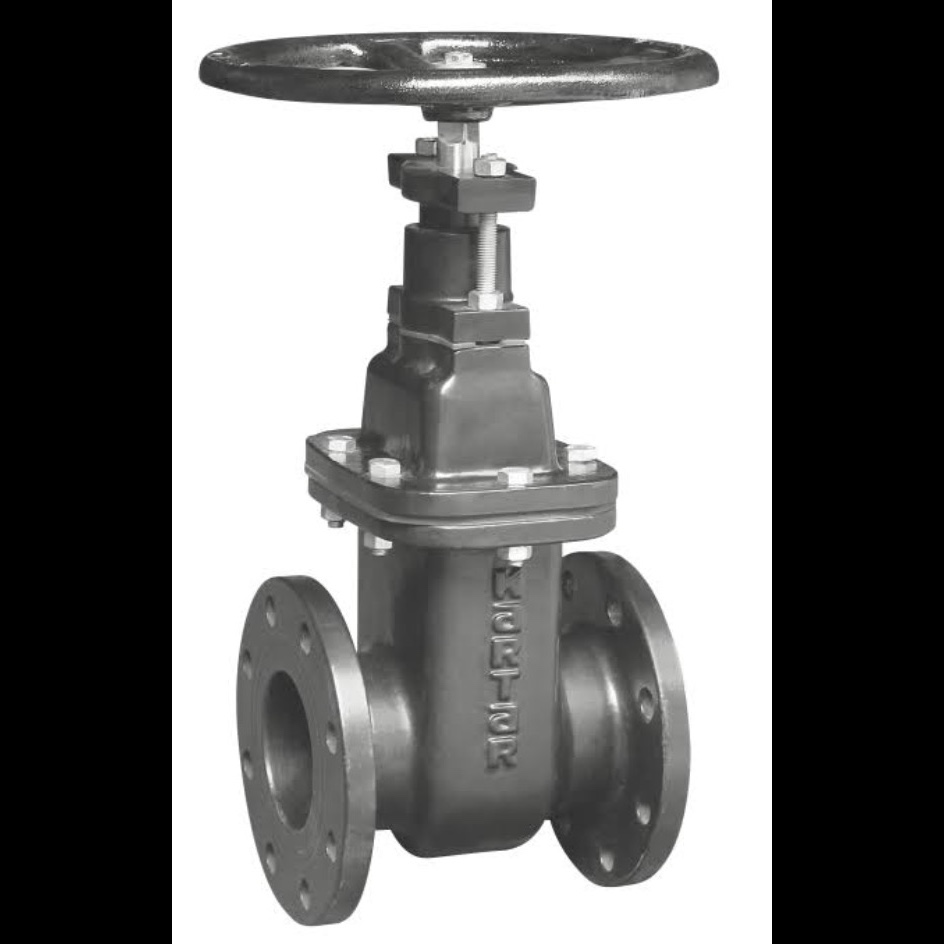
'Kartar Valves' refers to a well-known brand of valves and fire-fighting equipment manufactured by Kartar Valves & Fittings. The company, established in India in 1972, has a reputation for producing a wide range of products for the plumbing and fire-fighting industries.
Here's a breakdown of their products and key characteristics:
Product Categories
Kartar Valves manufactures a diverse range of valves and related products, including:
* Plumbing Valves:
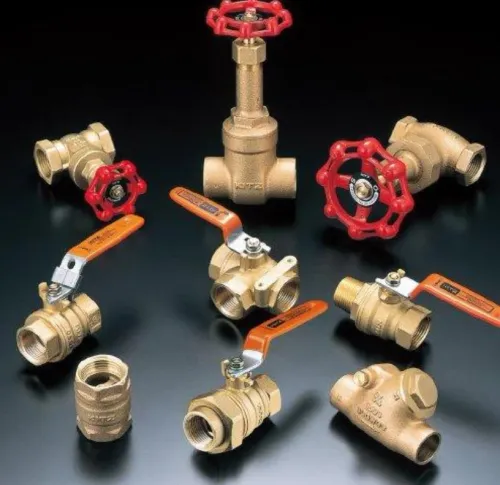
* Ball Valves: These are used for quick on/off control of fluid flow.
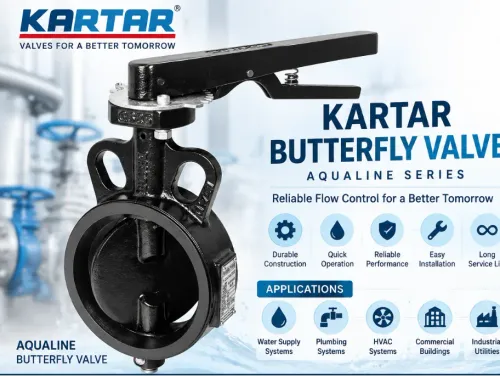
* Butterfly Valves: Known for being lightweight and less expensive than other valve designs, they allow for quick shut-off.
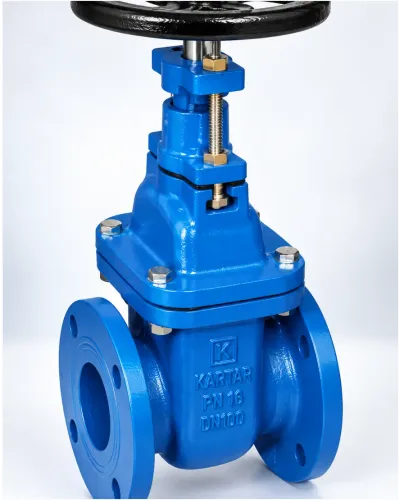
* Sluice Valves (Gate Valves): Used to start or stop the flow of fluids, but not for regulating it.
* **Check Valves (Non-Return Valves): Designed to allow fluid or gas to flow in only one direction.
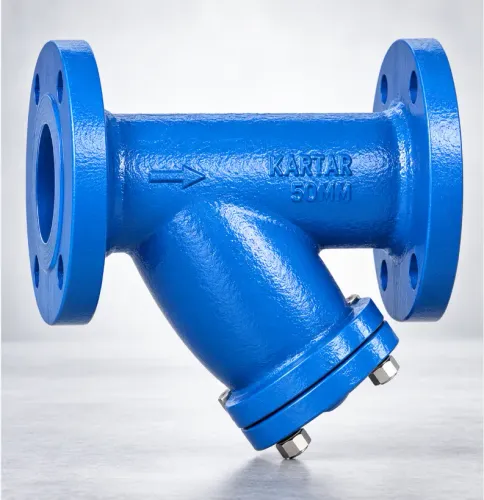
* Foot Valves and Strainers: Used to prevent debris from entering a pump or pipeline.
* Air Release Valves: Essential for releasing trapped air from a pipeline.
* Bronze Plumbing Valves: Valves made from bronze, a durable and corrosion-resistant material.
* Fire Fighting Products:
* Hydrants, Hose Couplings, and Hoses: Critical components for fire suppression systems.
* Sprinklers and Breeching Inlets: Parts of an automated fire extinguishing system.
* Fire Extinguishers: Including dry powder, CO2, foam, and water-based extinguishers.
Key Characteristics of Kartar Valves
* Material and Construction: They are known for manufacturing valves in various materials, including cast iron, ductile iron, forged brass, and stainless steel, to suit different applications and pressure ratings.
* Quality and Certifications: The company is ISO 9001 certified and their products often carry ISI marks, ensuring they meet specific Indian quality and safety standards.
* Market Focus: Kartar Valves has a strong presence in both the plumbing and fire-fighting sectors in India and exports its products internationally.
* Manufacturing Process: They have in-house facilities for casting and forging, which allows them to maintain quality control from the initial stages of production.