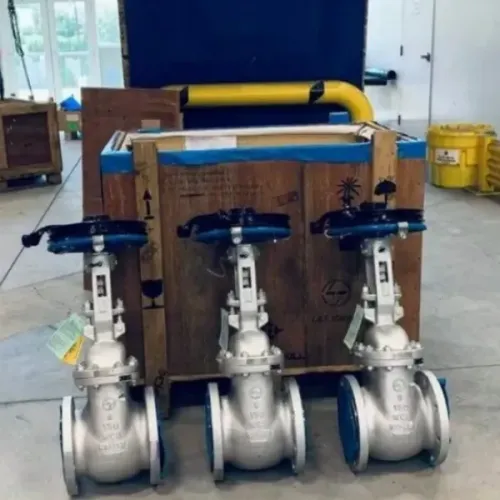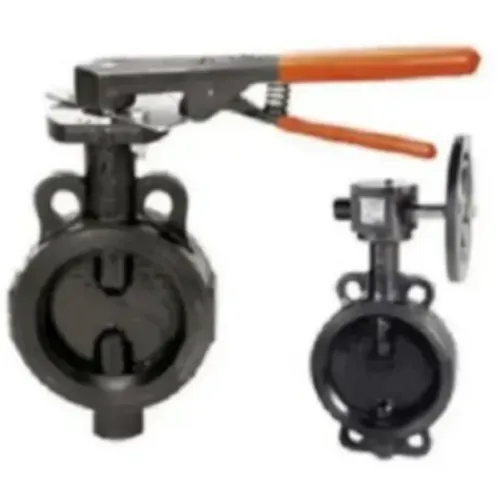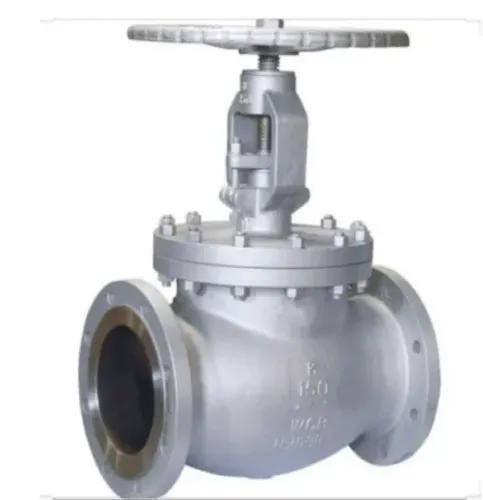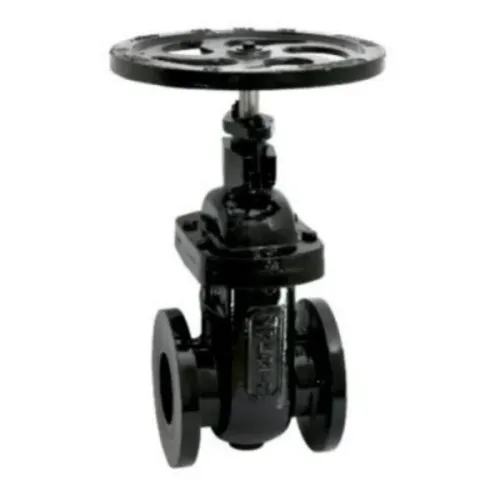


When comparing forged and cast fittings, the fundamental difference lies in their manufacturing process, which in turn dictates their properties and ideal applications.
Forged Fittings
* Manufacturing Process: Forging involves shaping solid metal by applying compressive force, such as hammering or pressing, while it is heated to a temperature below its melting point. This process realigns the metal's internal grain structure, creating a continuous flow that follows the shape of the part.
* Strength and Durability: Forged fittings are known for their superior mechanical properties. The forging process eliminates internal defects like porosity and air pockets, resulting in a tighter, more uniform grain structure. This gives them significantly higher tensile, yield, and fatigue strength compared to their cast counterparts. They are more resistant to impact, wear, and stress.
* Applications: Because of their strength and durability, forged fittings are the preferred choice for high-pressure, high-temperature, and critical applications where reliability is non-negotiable. This includes:
* Oil and gas pipelines
* Chemical processing plants
* Power generation facilities
* Industrial pipelines
Cast Fittings
* Manufacturing Process: Casting involves melting metal until it becomes a liquid and then pouring it into a mold of the desired shape. The metal then cools and solidifies in the mold.
* Strength and Durability: The solidification process in casting can lead to a less uniform grain structure and the potential for internal defects like cavities and porosity. This makes cast fittings generally less strong and durable than forged fittings. They have lower resistance to impact and fatigue.
* Applications: Casting is a more versatile process for creating complex and intricate shapes, including those with internal cavities, which would be difficult or impossible to achieve through forging. Cast fittings are often more cost-effective for large-volume production of less demanding parts. Their applications include:
* Water and sewage systems
* General-purpose plumbing and piping where high pressure is not a major concern.
* Parts with complex geometries.
Summary Comparison
| Feature | Forged Fittings | Cast Fittings |
|---|---|---|
| Manufacturing Process | Shaping solid metal with force | Pouring molten metal into a mold |
| Grain Structure | Uniform, aligned, and tight | Less uniform, can be porous |
| Strength | Higher tensile, yield, and fatigue strength | Lower strength and more brittle |
| Defects | Fewer internal defects (e.g., porosity) | Prone to defects like cavities and porosity |
| Design Complexity | Best for simpler shapes | Excellent for complex and intricate shapes |
| Cost | Generally more expensive | Often more cost-effective for high-volume production |
| Applications | High-pressure, high-temperature, critical applications | General-purpose, low-to-medium pressure, and complex parts |
In conclusion, if the application demands superior strength, reliability, and durability under high stress, forged fittings are the clear choice. However, if cost and design complexity are the primary concerns for a less demanding application, cast fittings can be a suitable alternative.