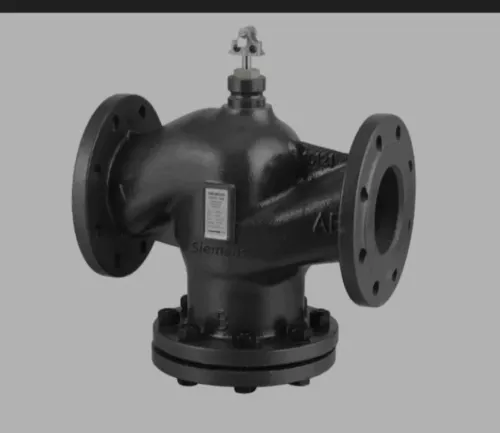


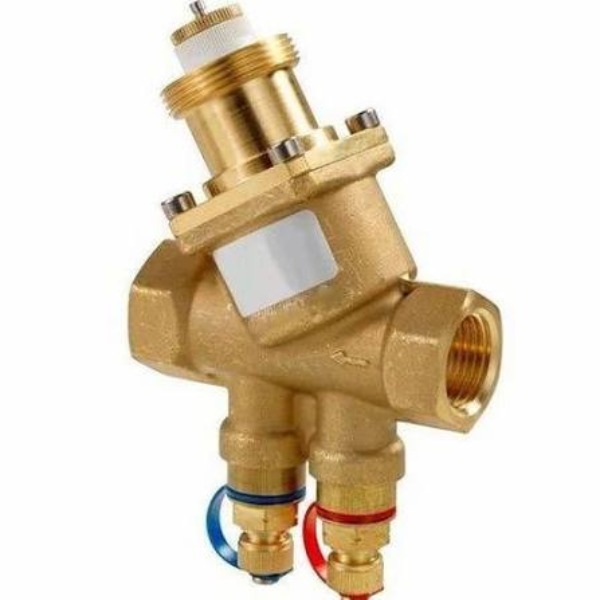
Honeywell motorized two-way (2-port) valves are staples in HVAC and domestic heating systems. They function as 'on/off' gates to control the flow of water to specific zones, such as a set of radiators or a hot water cylinder.
The two most common series you likely have are the V4043H (Zone Valve) and the VC Series (Hydronic Valve).
1. Popular Models
| Feature | V4043H Series (Common in UK/EU) | VC Series (Global/Commercial) |
|---|---|---|
| Typical Use | Domestic 'S-Plan' heating systems. | Fan coils, radiators, and boilers. |
| Mechanism | Spring return (Power-to-open). | Sinusoidal travel (Silent operation). |
| Manual Lever | Yes (Auto/Man Open). | No (Removable head instead). |
| Connection | 22mm, 28mm, or 3/4' - 1' BSP. | Threaded, compression, or flare. |
2. How They Work
Most Honeywell 2-port valves use a spring-return mechanism:
* Opening: When the thermostat 'calls for heat, ' it sends 230V to the motor. The motor rotates the valve open against a spring.
* Operating the Boiler: Once fully open, an internal microswitch (end switch) clicks. This completes a secondary circuit (usually gray and orange wires) that tells the boiler and pump to start.
* Closing: When the thermostat is satisfied, power is cut. The internal spring pulls the valve back to the closed position.
3. Wiring Colors (Standard 5-Wire V4043H)
If you are looking at a bundle of wires from the valve, they typically follow this standard:
* Brown: Live (from the thermostat/programmer).
* Blue: Neutral.
* Green/Yellow: Earth.
* Gray: Permanent Live (feed to the end switch).
* Orange: Switched Live out (goes to the boiler/pump).
4. Common Troubleshooting
* Valve Jammed: If the motor hums but the heat doesn't come on, the ball inside may be stuck due to system debris.
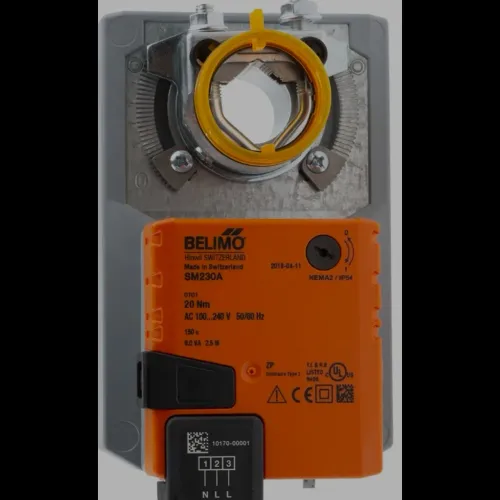
* Failed Motor: If the valve won't open at all, the 'synchron' motor inside the head has likely burned out. These are replaceable without draining the system.
* Microswitch Failure: The valve opens physically, but the boiler never fires. This usually means the internal switch (connected to the orange wire) is faulty.
> Note: If you are replacing the head (the silver/white box), most modern Honeywell models allow you to remove it by pressing a small button or removing two screws, without having to touch the plumbing.
>
Would you like me to find a specific wiring diagram for your model or explain how to replace the motor?