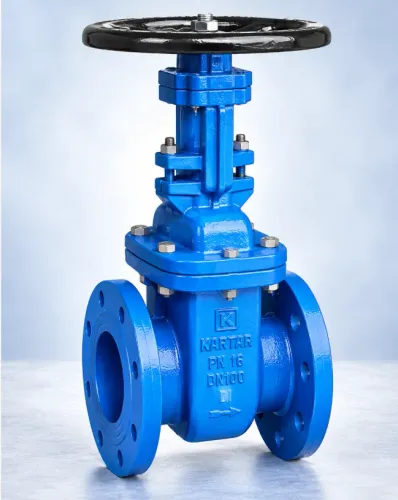

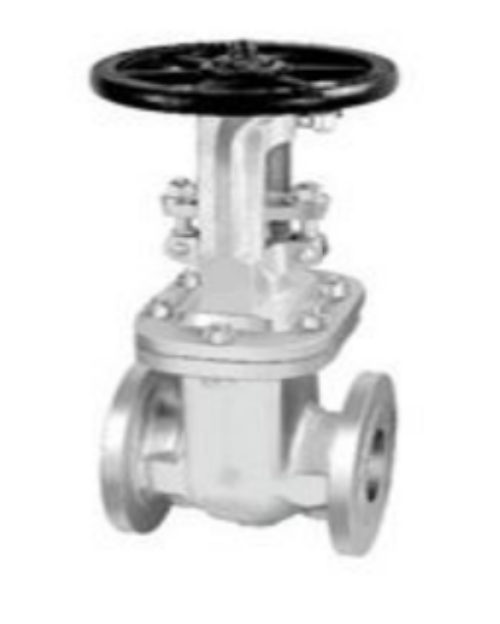
A Cast Steel Gate Valve is a robust and widely used industrial valve designed for controlling the flow of fluids in pipelines by raising or lowering a gate (wedge) inside the valve body. Manufactured from high-quality cast steel, these valves are preferred for their durability, high pressure and temperature resistance, and reliable shut-off capabilities.
These valves function through linear motion and are primarily used in fully open or fully closed positions. When fully open, the gate retracts into the bonnet, allowing unobstructed flow; when closed, it seals tightly to stop the flow. Cast steel gate valves are not typically used for throttling applications, as partial opening may cause damage to the sealing surfaces due to turbulent flow.
Key Features:
Material: Constructed from cast carbon steel (ASTM A216 WCB), alloy steel, or stainless steel based on application needs.
End Connections: Available in flanged, butt-weld, or socket weld types.
Design Standards: Conforms to API 600, BS 1414, or ASME B16.34 standards.
Operation: Can be operated manually (handwheel), via gear operator, or automated (electric, pneumatic, or hydraulic actuators).
Sizes: Typically available from 2” to 48” and pressure ratings from Class 150 to 2500.
Applications:
Cast steel gate valves are ideal for use in oil & gas, petrochemical, power plants, water treatment, and other heavy-duty industrial applications where dependable shut-off is critical.
Advantages:
Excellent shut-off characteristics
High strength and durability under extreme conditions
Suitable for both above-ground and underground installations
Long service life with minimal maintenance
In conclusion, cast steel gate valves are essential components in fluid control systems, offering a dependable solution for high-pressure and high-temperature environments. Their rugged construction and wide adaptability make them a preferred choice across industries.